

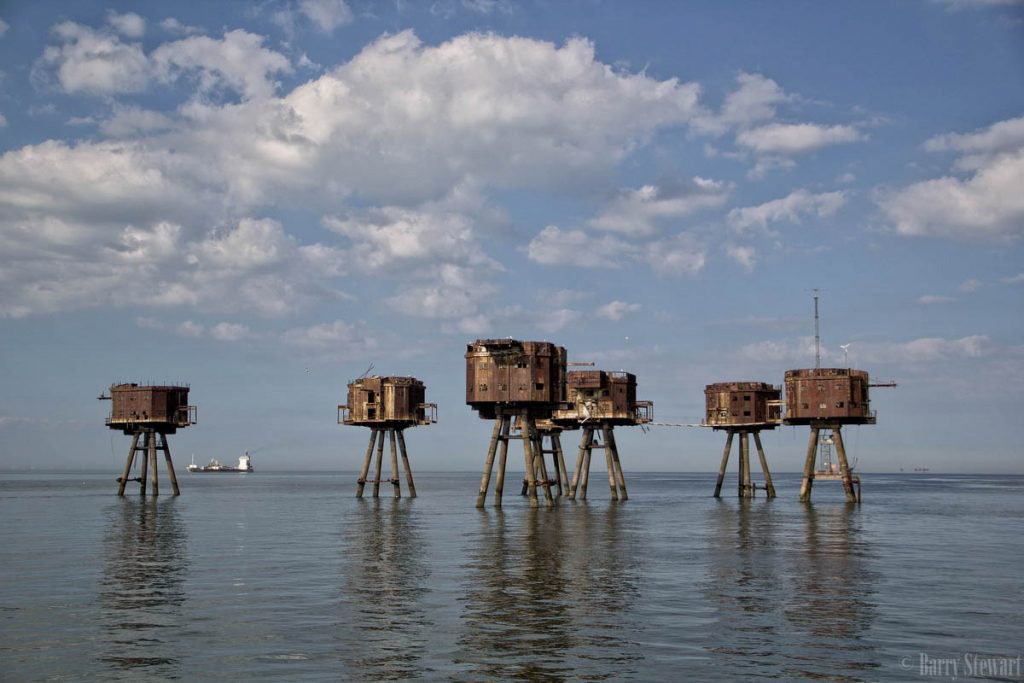
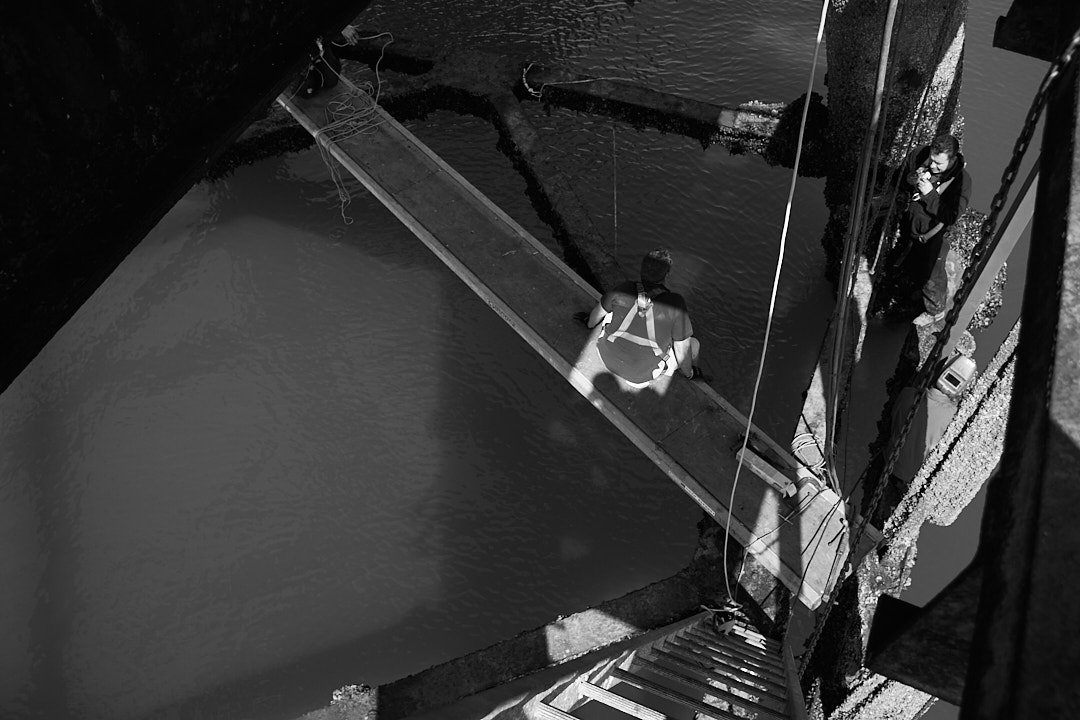
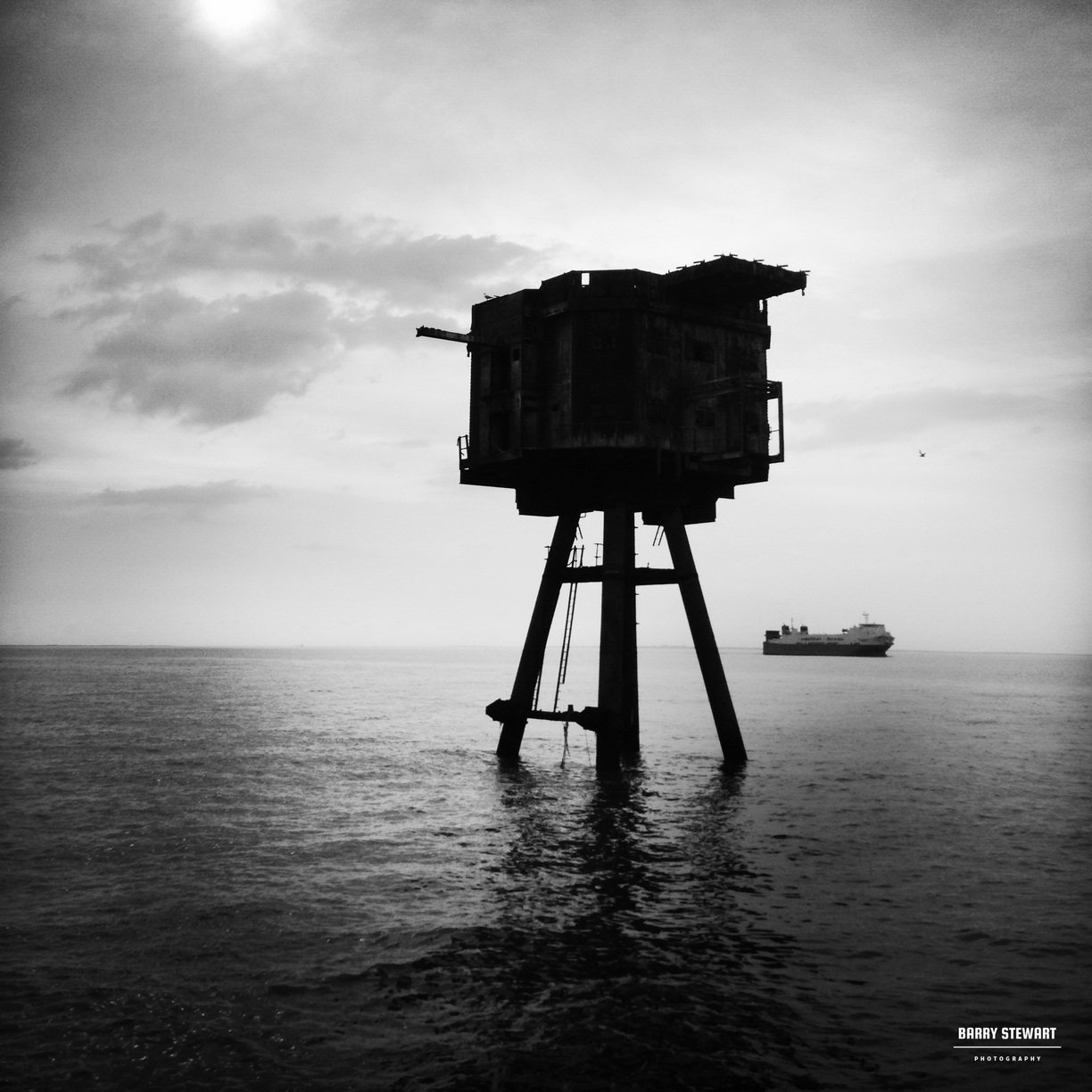
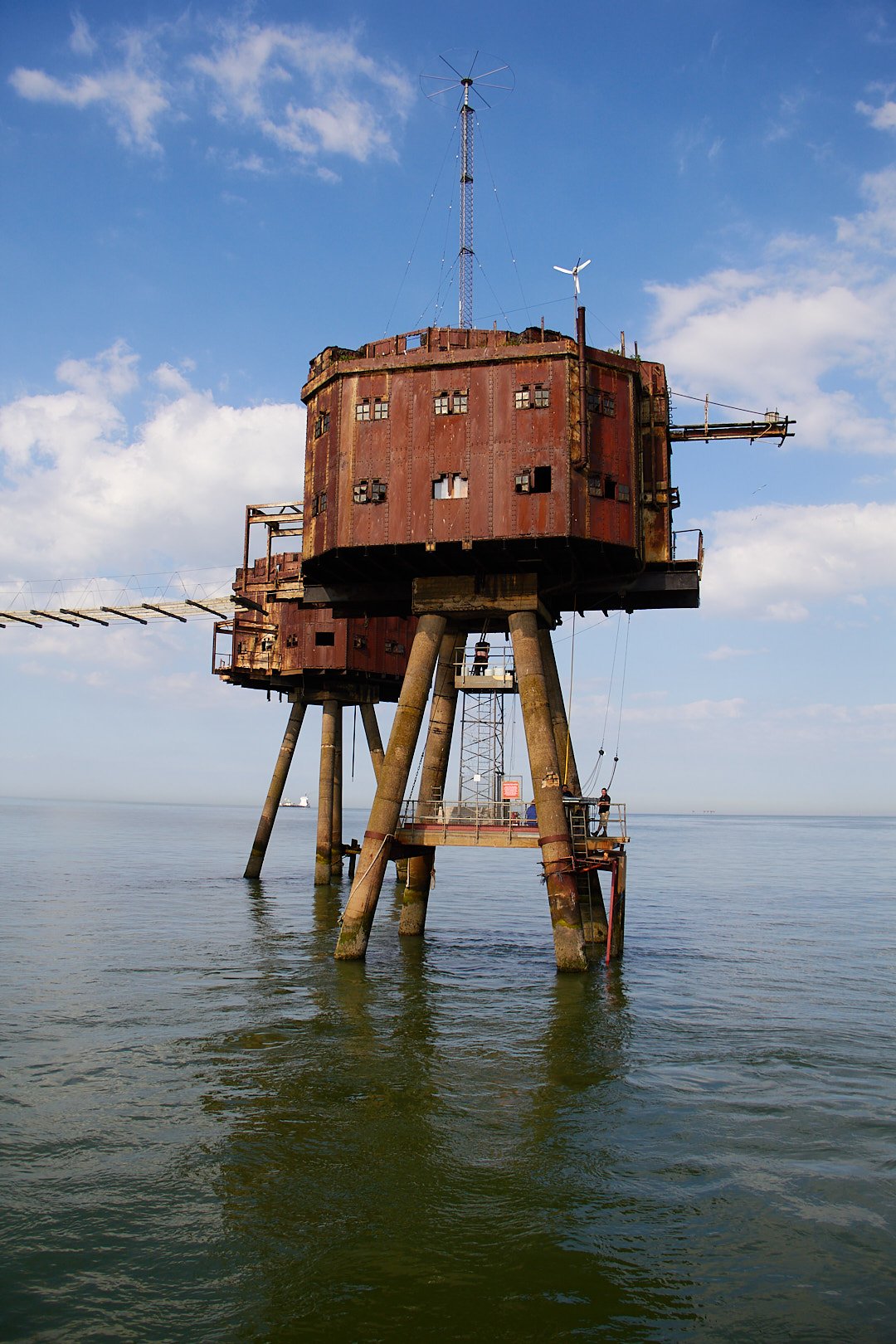
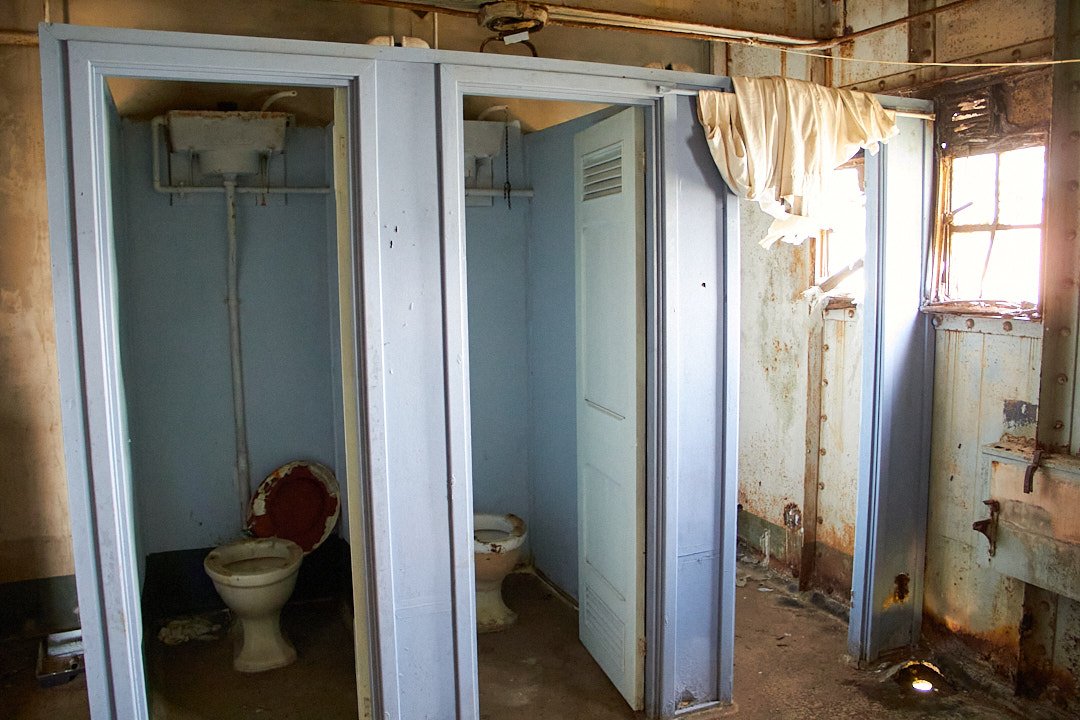
I run another website called undergroundkent and In 2014 we were asked by the Red Sands Project to help with the restoration of the Red Sands Sea Forts in the Thames Estuary. This also gave us an excellent opportunity to take photographs of this magnificent structure.
The Thames Sea Forts, also known as the Maunsell Forts, are a striking relic of Britain’s World War II defenses, rising like alien machines from the sea. They were built to protect the United Kingdom from German air and naval attacks—especially those targeting London via the Thames Estuary.
The Purpose
In the early 1940s, German bombers used the Thames as a navigational route to hit London and key shipping targets. To disrupt these air raids and prevent mine-laying in the river, the British government commissioned engineer Guy Maunsell to design a solution. What he came up with was bold: fortresses in the sea.
Two Types of Forts
There were two distinct designs, both named after Maunsell:
-
Army Forts – Located in shallow waters such as the Red Sands and Shivering Sands banks. These were clusters of seven towers: one central command post, four gun towers, a searchlight tower, and a bridge linking them.
-
Navy Forts – Built farther out to sea. These were single structures with twin concrete towers supporting a deck that housed radar, anti-aircraft guns, and living quarters. Notable examples include HM Fort Roughs (later the so-called "Principality of Sealand").
Construction and Deployment
Built off-site and towed into position, the forts were constructed between 1942 and 1943. They were placed on sandbanks in the Thames and Mersey estuaries. Once in place, they provided a platform for radar, searchlights, and heavy anti-aircraft artillery.
Each fort housed around 120 men, living in harsh, isolated conditions with limited supplies and communication. Despite this, they played a crucial role. Forts like Knock John and Red Sands were credited with downing dozens of enemy aircraft and disrupting enemy operations.
Post-War Decline
After the war, the forts became obsolete and were decommissioned by the late 1950s. Some were dismantled, but others were left to rust.
But the story didn’t end there.
Pirate Radio and the Forts’ Rebirth
In the 1960s, Britain’s airwaves were tightly controlled. That didn’t stop enterprising DJs. The abandoned sea forts became home to pirate radio stations like Radio City and Radio Sutch, blasting pop music into homes outside the BBC’s reach.
In 1967, the British government cracked down on offshore broadcasting. Many of the pirate operators were shut down or pushed off the forts.
Sealand: The Micro-Nation
The most bizarre chapter came in 1967 when Paddy Roy Bates, a former pirate radio broadcaster, occupied HM Fort Roughs. He declared it an independent nation—the Principality of Sealand—complete with a flag, currency, and even a royal family. The UK never officially recognized it, but the Bates family held onto it for decades, turning it into a micronation legend.
Today
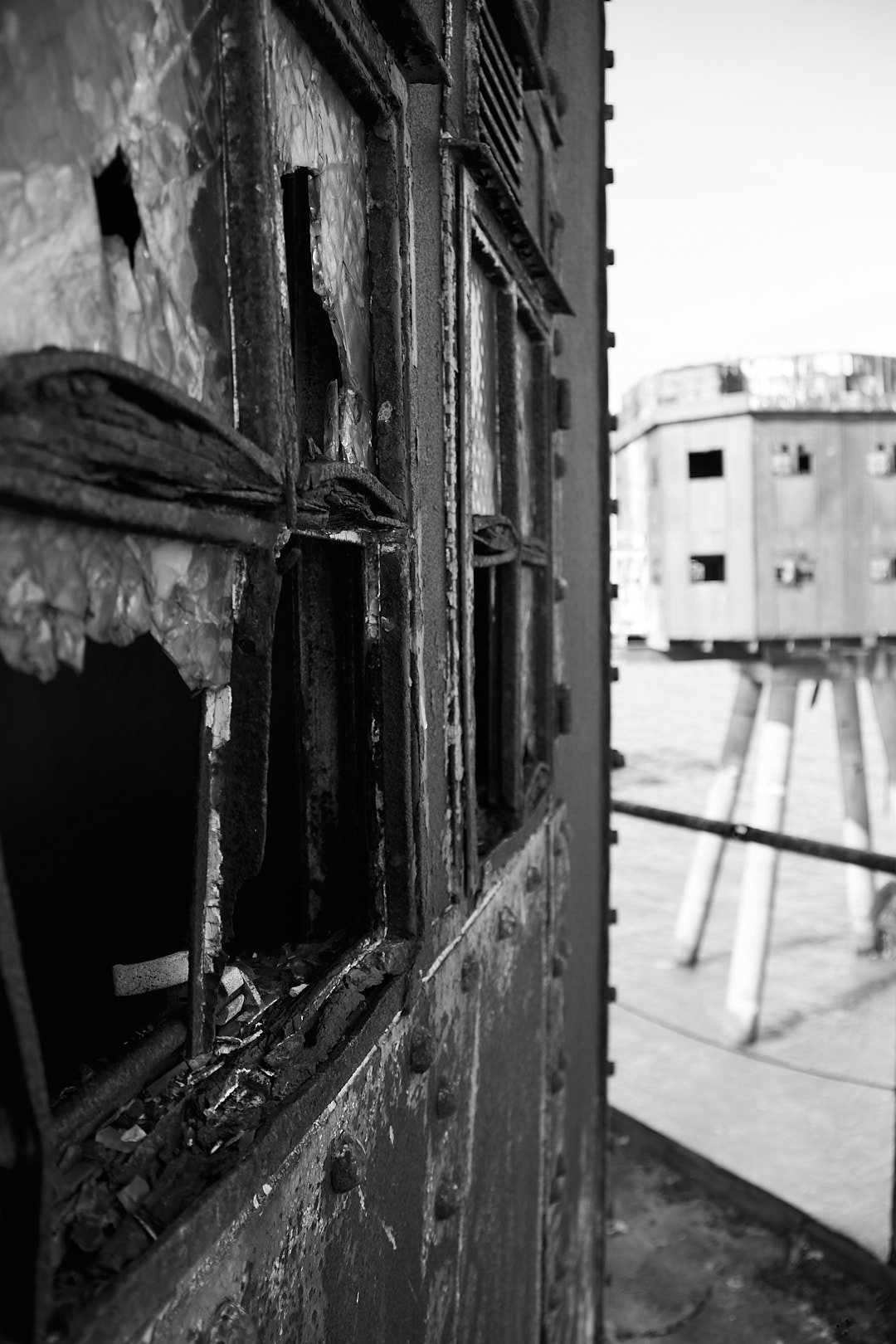
The remaining forts, especially Red Sands and Shivering Sands, are ghostly and rusting—eerie reminders of wartime ingenuity. There are occasional discussions and efforts to preserve or repurpose them, but their isolation and decay make that difficult.
In Summary
The Thames Sea Forts were wartime inventions turned cultural curiosities. From defending Britain in its darkest hour to broadcasting illegal radio to spawning one of the weirdest micronations in history, these rusting towers are more than forgotten bunkers—they’re pieces of living history.



Recent Comments