

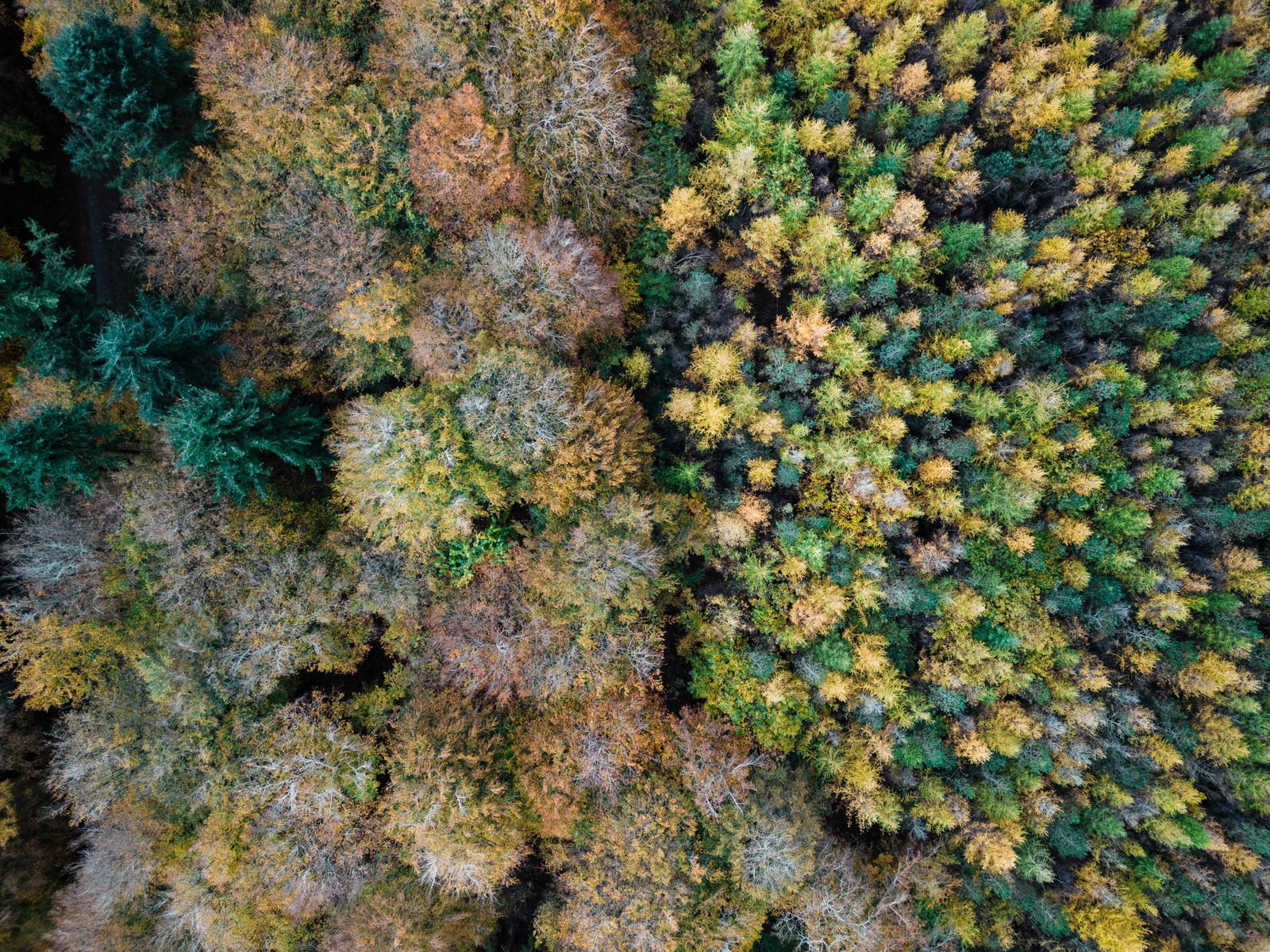
With the use of drones, we can easily film ourselves and our surroundings without having to worry about carrying bulky cameras or tripods. The footage captured from the drone can be used to create stunning videos or simply enjoyed as memories of our cycling adventure in Kings Wood, Kent.
Editing Techniques to Enhance Your Footage
Editing Techniques to Enhance Your Footage:Once you have captured your bike riding footage with a drone, the next step is to edit it for maximum impact. Here are some editing techniques that can help enhance your footage and take it to the next level.
Firstly, try using slow motion effects to highlight key moments in the bike riding action. This can add drama and intensity to your footage, and make it more visually appealing. You can also experiment with different speeds and frame rates to achieve different effects.
Another useful technique is color grading, which involves adjusting the colors in your footage to create a certain mood or atmosphere. For example, you could give your footage a warm, golden hue for a sunny day look or cooler tones for an overcast day.
Finally, incorporating music into your video adds an extra dimension of emotion and excitement. Choose music that fits the mood of your footage; fast-paced tracks for high-energy rides or slower melodies for more peaceful rides.
Integrating Bike Riding and Aerial Footage in Your Content
Integrating Bike Riding and Aerial Footage in Your Content:One of the best things about combining bike riding and aerial footage is the unique perspective it provides. It allows viewers to see the landscape from a bird’s eye view while also experiencing the rush of riding a bike. When incorporating footage into your content, make sure to choose shots that highlight both the landscape and the rider’s movements.
To create smooth transitions between ground-level footage and aerial shots, try using match cuts. By finding similar compositional elements in both shots, you can create a seamless transition that enhances your storytelling. You can also use split-screen techniques to show both perspectives at once, which can add an extra layer of excitement to your content.
When planning your shoot, make sure to consider lighting conditions and how they will affect your footage. Early morning or late afternoon light can create dramatic shadows that enhance texture and depth in your shots. Experiment with different angles and camera movements to find what works best for each scene. With careful planning and attention to detail, you can create stunning visuals that capture the thrill of bike riding from a whole new perspective.
Safety Considerations for Bike Riders and Drone Operators
As with any activity involving a moving vehicle, safety should be a top priority when incorporating drones into bike riding content. Bike riders should be aware of their surroundings and potential hazards while flying a drone, as it can be distracting and take away from their focus on the road. Similarly, drone operators should take precautions to avoid endangering bike riders or other individuals in the area.One way to ensure safety is to establish clear communication between the bike rider and the drone operator. This can involve using hand signals or verbal cues to indicate when the rider is ready for filming or when they need to stop for any reason. Additionally, it’s important for both parties to have a thorough understanding of local laws and regulations regarding drone usage in public spaces.
Another safety consideration is weather conditions. High wind speeds or rain can make it dangerous for both bike riders and drones. Operators should monitor weather forecasts closely before planning any filming sessions, and postpone if conditions are not suitable.
By keeping these safety considerations in mind, bike riders and drone operators can work together effectively while minimizing potential risks. With proper planning and communication, stunning aerial footage can be captured without compromising anyone’s well-being.


Recent Comments